Science
Pioneering Metabolic Receptor Science and Natural Health Solutions
Meet The Team Behind Pivit.
Led by a board of leading physicians and researchers, Pivit is the only multi-patented, natural alternative to synthetic GLP-1s. By using receptor science, we provide metabolic support and sustainable weight loss without the risky side effects.

FAARM model; functional/anti-aging/regenerative medicine; metabolic dysfunction strategy

Former Osmo, Firmenich, Senomyx; expert in receptor-based discovery and optimization

NIH Early Career Award winner, expertise in receptor signaling, numerous olfaction patents.

Former senior scientist and robotics and automation lead, Aromyx. Expertise in assay development, mass spectrometry, automated workflows.

Professor, Biochemistry & Biophysics / Pharmaceutical Chemistry, UCSF

Adjunct Professor of Genetics, Stanford School of Medicine. Longevity and AI expert

Professor / Center Director, OU Health Stephenson Cancer Center

Professor & Chemist, Food Science & Technology, UC Davis
How Pivit Works
Your body already knows how to regulate hunger, blood sugar, and energy balance. Pivit® is designed to work with those existing systems rather than override them.
Using a proprietary formulation of natural food-based molecules, Pivit activates receptors in the gut that signal your body to produce its own GLP-1 naturally, supporting healthy blood sugar levels and weight management.


Your Hunger Hormones



The moment you see, smell, or anticipate a meal, your body’s “hormonal
orchestra” begins to play. As food travels through your digestive system, specialized cells
in your gut release a team of hormones that work closely together to manage your appetite,
blood sugar, and digestion speed.
Understanding this delicate, synchronized
system is crucial. It explains exactly why modern diets so easily disrupt our natural
fullness signals—and, more importantly, how PIVIT is designed to restore your body's
natural balance.
Glucagon-like peptide-1 (GLP-1) is a powerful satiety hormone secreted by the intestines within minutes of eating, acting as a rapid messenger across multiple organ systems to regulate digestion and energy balance. In the pancreas, GLP-1 elegantly controls blood sugar by stimulating insulin release only when glucose is elevated—preventing hypoglycemia—while simultaneously suppressing glucagon to halt the liver's glucose output. Meanwhile, it slows gastric emptying in the stomach to blunt post-meal sugar spikes and prolong physical fullness, while concurrently signaling the brain's appetite centers (both directly and via the vagus nerve) to quickly reduce the desire to eat. Naturally designed as a sharp, meal-linked pulse rather than a continuous background signal, naturally produced GLP-1 has a brief half-life of under two minutes before it is rapidly deactivated by the DPP-4 enzyme, ensuring the body registers the meal and efficiently completes its metabolic cascade.
Glucose-dependent insulinotropic peptide (GIP) is
secreted from K-cells in the upper small intestine within minutes of food
reaching the duodenum. Like GLP-1, it is a potent stimulator of insulin
secretion in a glucose-dependent manner — and for decades, GIP was considered
the primary incretin hormone, with GLP-1 seen as a supporting player. More
recent research has revised this understanding considerably.
GIP also
acts on adipose tissue, promoting fat storage — an effect that in the context of
chronic caloric excess has unfavorable metabolic consequences, which may explain
why GIP receptor responsiveness is often reduced in people with obesity and type
2 diabetes. However, when GIP is activated in combination with GLP-1 — as
happens naturally after a meal, and as has been exploited in newer dual-agonist
pharmaceutical agents — it contributes meaningfully to appetite suppression,
metabolic improvement, and weight loss.
Peptide YY (PYY) is co-secreted with GLP-1 from
L-cells, primarily in the ileum and colon. While GLP-1 acts rapidly and is
quickly cleared, PYY has a longer circulating half-life, providing a
sustained satiety signal that persists for several hours after
a meal. It acts on receptors in the hypothalamus to reduce appetite, and it
slows the movement of food through the gut — the so-called “ileal brake” —
giving the body more time to process and absorb nutrients.
PYY levels
are notably lower in people with obesity compared to lean individuals, and they
respond less robustly to meals. This blunted PYY response contributes to the
reduced post-meal satiety that many people with weight challenges describe — the
sense that fullness never quite arrives, or arrives too late and too briefly.
Oxyntomodulin is a further L-cell product that has
both appetite-suppressing and energy expenditure-increasing
effects — a combination that makes it particularly valuable in the satiety
system. GLP-2, while not directly involved in appetite
regulation, plays a critical role in maintaining the integrity of the intestinal
lining, supporting the gut barrier that keeps inflammatory molecules from
leaking into the bloodstream.
Both are released in concert with GLP-1
and PYY — part of the same integrated enteroendocrine response to a meal. This
co-secretion is important: these hormones are not designed to work in isolation.
They function as an ensemble, each contributing a distinct note to the satiety
signal.
The Metabolism Receptors
The receptor landscape of the enteroendocrine cell is one of the most remarkable examples of molecular sensing in the human body. Each receptor type represents a channel through which food communicates with the gut’s hormonal system. Together, they constitute the molecular vocabulary through which diet speaks to metabolism.
Receptor Pathway Formula
Our natural, GLP-1 activating formula was developed and refined over the past 8 years—including two clinical trials and over 100 studies that support the safety and efficacy of the ingredients in Pivit.

Cinnamaldehyde
Found in bark, leaves, and twigs of cinnamon trees and other plants in the Cinnamomum genus.

Eugenol
Found in many plants, including cloves, cinnamon, basil, and other spices.
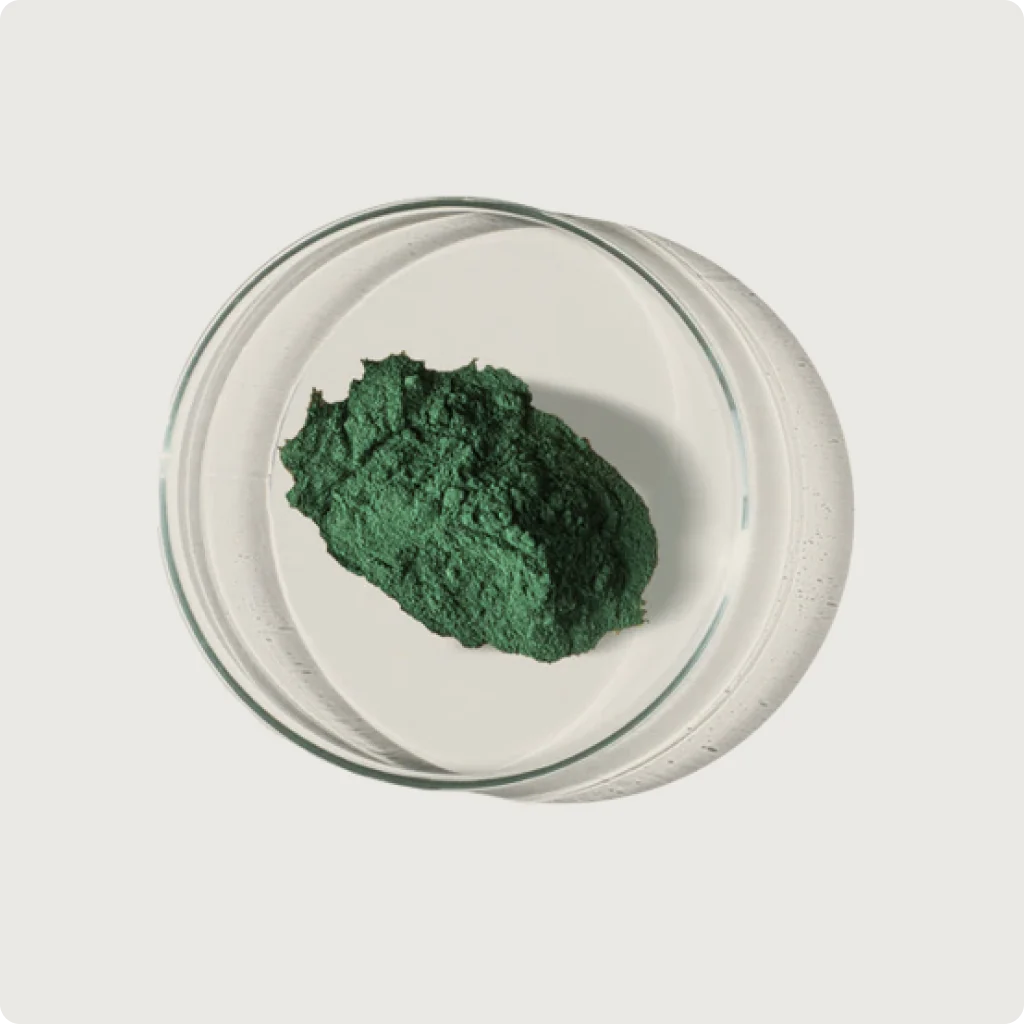
Spearmint Oil
Found in leaves, stems, and flowering tops of the spearmint plant (Mentha spicata).

Lauric Acid
Found in vegetable fats, primarily from coconut milk and oil, laurel oil, and palm kernel oil.
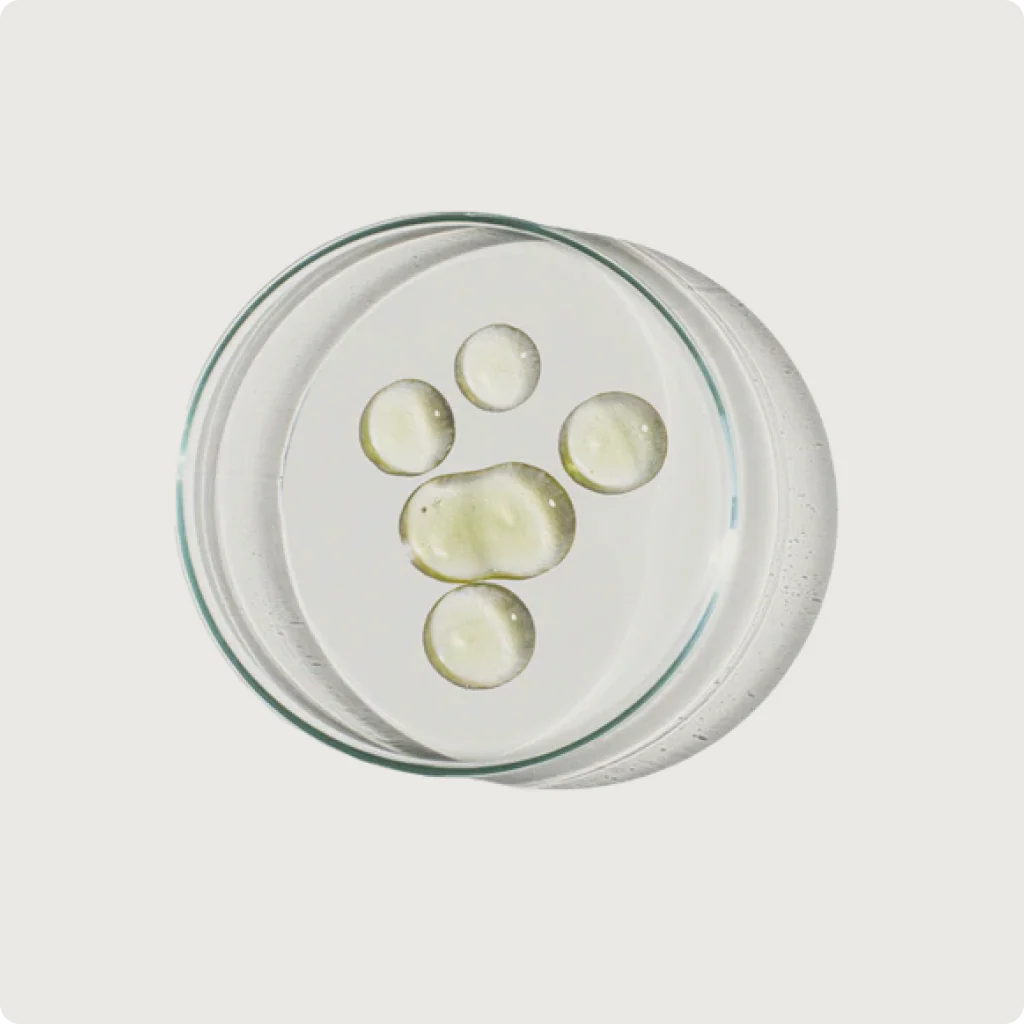
Benzyl Acetate
From fruits: Bael fruit, quince, pear, apple, figs, pomes, tea. From fowers: Jasmine, hyacinth, gardenia, ylang-ylang, alfalfa. From essential oils: Jasmine, ylang-ylang, neroli.
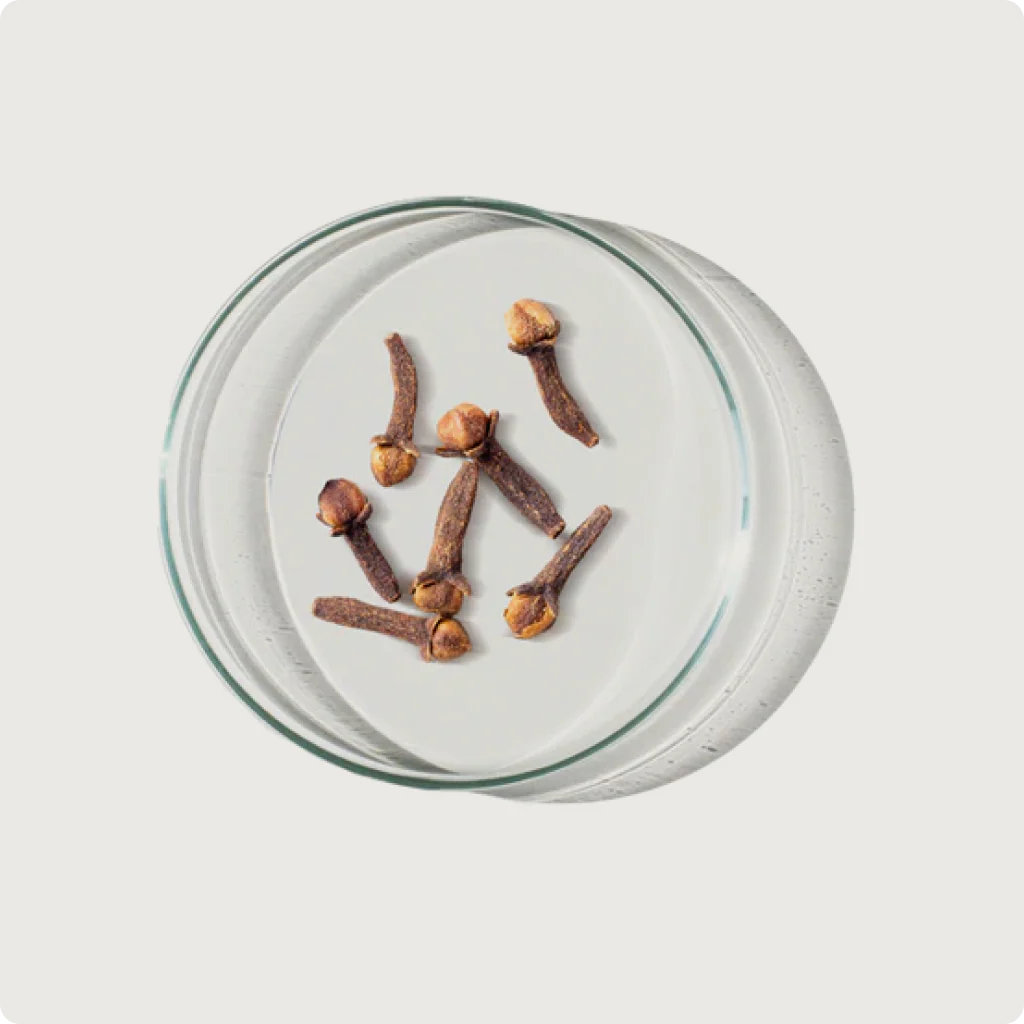
Butyl Butyryl Lactate
Found in Euglena gracilis. Euglena gracilis is a freshwater species of single-celled alga in the genus Euglena.
A Bioscience Company Revolutionizing Metabolic Health
Pivit, developed by Olfactive Biosolutions, is a breakthrough wellness platform built on Targeted Supplements™ that harness natural food molecules to activate the body’s own receptors.
This dedication to science ensures that every product we offer meets the highest standards, giving you the confidence that you're receiving scientifically backed premium solutions you can trust.

Our Patented Technology
Olfactive Biosolutions holds six granted U.S. patents covering weight loss, blood sugar regulation, and hypertension, with more than a dozen additional patents pending. Each patent centers on using food-derived ligands to induce receptor conformational change, activating GPCR signaling pathways that regulate metabolic hormones.
Compositions and methods for treating endocrine diseases and disorders: Disclosed herein are compounds and ligands, and compositions formed therewith, that modulate insulin secretion and suppress appetite by activating ectopic olfactory receptors. Also disclosed herein are methods for using the compositions to treat endocrine diseases, such as type-2 diabetes, and disorders, such as abnormal insulin secretion.
Compositions and methods for treating hypertension by modulating endocrine activity: Disclosed herein are compounds and ligands, and antihypertensive compositions formed therewith, that modulate seminal endocrine factors that control blood pressure and, thereby, treat hypertension. Also disclosed herein are methods for using the antihypertensive compositions to treat hypertension and disorders associated therewith.
Compositions and methods for treating endocrine diseases and disorders: Disclosed herein are compounds and ligands, and compositions formed therewith, that modulate insulin secretion and suppress appetite by activating ectopic olfactory receptors. Also disclosed herein are methods for using the compositions to treat endocrine diseases, such as type-2 diabetes, and disorders, such as abnormal insulin secretion.
Compositions and methods for treating endocrine diseases and disorders: Disclosed herein are compounds and ligands, and compositions formed there with, that modulate insulin secretion and suppress appetite by activating ectopic olfactory receptors. Also disclosed herein are methods for using the compositions to treat endocrine diseases, such as type-2 diabetes, and disorders, such as abnormal insulin secretion.
Compositions and methods for treating hypertension by modulating endocrine activity: Disclosed herein are compounds and ligands, and compositions formed therewith, that modulate seminal endocrine factors that control blood pressure and, thereby, treat hypertension. Also disclosed herein are methods for using the compositions to treat hypertension and disorders associated therewith.
Compounds and ligands, and compositions formed therewith, that modulate insulin secretion and suppress appetite by activating ectopic olfactory receptors. Also disclosed herein are methods for using the compositions to treat endocrine diseases, such as type-2 diabetes, and disorders, such as abnormal insulin secretion.
Bridging the Gap Between Nature and Clinical Efficacy
After millions of dollars, an 8 year R&D initiative, and a coalition of 14 medical doctors and researchers, Pivit has perfected the "biological handshake" between food molecules and gut receptors.
The result: comparable metabolic and weight-loss outcomes, driven entirely by natural pathways and completely free of risky side effects.
Why People Are Choosing PIVIT Over GLP-1 Pharmaceuticals
Results
Risky side effects